When ending a tenancy after completing home improvements or renovations, the cleaning requirements become significantly more complex than a standard move-out clean. Construction dust, debris, and residue from improvement work create additional challenges that require careful attention to ensure full bond recovery.
Understanding Your Cleaning Obligations Post-Renovation
After home improvements, tenants face heightened scrutiny during final inspections. Property managers expect the premises to be returned in pristine condition, accounting for both the original lease requirements and any additional cleaning needs created by renovation work. The cleaning standard must match or exceed the property’s condition at tenancy commencement, regardless of improvements made.
Most lease agreements require tenants to obtain written permission before undertaking any modifications to the property. When improvements are completed with proper authorization, the enhanced cleaning obligations fall to the departing tenant unless specifically negotiated otherwise in the renovation approval.
Pre-Cleaning Assessment and Documentation
Before beginning the cleaning process, conduct a thorough assessment of all areas affected by home improvements. Take comprehensive photographs of each room, paying particular attention to surfaces that may have accumulated construction dust or debris. Compare these images with your original entry condition report to identify areas requiring specialized attention.
Create a detailed checklist that includes standard end-of-lease requirements plus renovation-specific cleaning tasks. This approach ensures no area is overlooked during the cleaning process and provides documentation for potential disputes.
Specialized Cleaning Requirements After Improvements
Construction Dust Removal
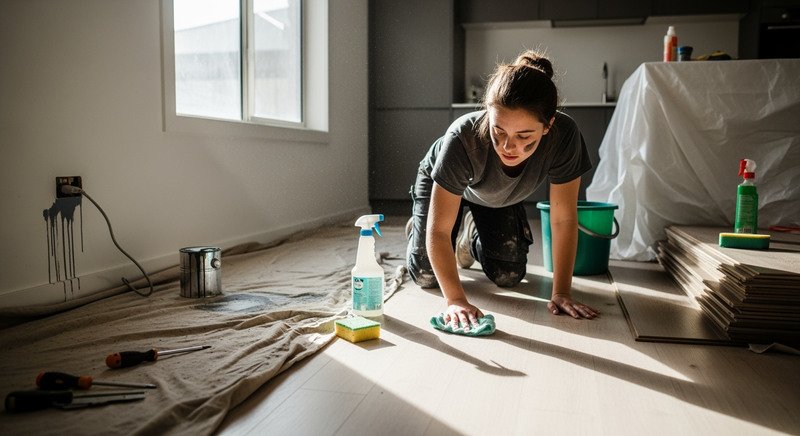
Post-renovation cleaning requires systematic dust removal from all surfaces, including areas not directly involved in the improvement work. Construction dust can travel throughout the property via air circulation systems, settling on furniture, light fixtures, and hidden surfaces.
Begin with dry cleaning methods such as vacuuming and dusting before proceeding to wet cleaning. This prevents dust from becoming muddy and creating streaks on surfaces. Pay special attention to air vents, ceiling fans, and high surfaces where dust commonly accumulates.
Surface Restoration
Renovated areas often require intensive cleaning to remove adhesive residue, paint splatters, or protective film from fixtures and fittings. Use appropriate cleaning products for each surface type, ensuring compatibility with materials to avoid damage that could result in bond deductions.
Windows and glass surfaces require particular attention after renovation work, as they often bear construction residue that standard glass cleaners cannot remove effectively. Professional-grade cleaning solutions may be necessary to achieve the required standard.
Room-by-Room Cleaning Strategy
Kitchen Areas
Post-renovation kitchen cleaning extends beyond standard appliance cleaning to include removal of dust and debris from inside cabinets, drawers, and behind appliances. Clean all surfaces thoroughly, including inside the oven, refrigerator, and dishwasher if these appliances were installed during improvements.
Bathroom Facilities
Bathrooms require intensive cleaning of grout, tiles, and fixtures, particularly if waterproofing or tiling work was completed. Remove any construction residue from shower screens, mirrors, and tapware. Ensure all drains are clear of debris that may have accumulated during renovation work.
Living Areas and Bedrooms
Vacuum all carpeted areas thoroughly, paying attention to edges and corners where construction dust commonly accumulates. For hard flooring installed during improvements, follow manufacturer-specific cleaning guidelines to avoid damage. Clean all walls, paying particular attention to areas around electrical fixtures or newly installed features.
Exterior and Additional Areas
Don’t overlook outdoor areas when completing post-renovation cleaning. Balconies, patios, and entry areas often accumulate construction debris and require thorough cleaning to meet lease requirements. Remove all construction materials, clean surfaces, and ensure pathways are clear and safe.
Garage areas and storage spaces also require attention, particularly if they were used to store materials or equipment during improvement work. Sweep floors, remove oil stains if present, and ensure all personal belongings and construction debris are removed.
Professional Cleaning Considerations
Given the complexity of post-renovation cleaning, many tenants benefit from engaging professional cleaning services. This is particularly valuable when time constraints exist or when specialized cleaning equipment is required to achieve the necessary standard.
For comprehensive post-renovation cleanup requirements and to ensure all bond cleaning standards are met, professional end of lease cleaners Melbourne can provide the expertise and equipment necessary to address both standard cleaning requirements and renovation-specific challenges. Their experience with property management expectations helps ensure no detail is overlooked during the final inspection process.
Final Inspection Preparation
Schedule your final inspection only after completing all cleaning tasks and conducting a thorough self-assessment. Ensure all renovation-related debris is removed, surfaces are restored to appropriate standards, and the property presents better than or equal to its original condition.
Prepare documentation of all improvements made during tenancy, including receipts for materials and professional services. This information may be valuable if questions arise during the final inspection regarding property condition or bond deductions.
Timeline Management
Allow additional time for post-renovation cleaning compared to standard end-of-lease cleaning. The complexity of removing construction residue and ensuring all surfaces meet inspection standards typically requires 2-3 times longer than routine cleaning.
Begin cleaning preparations at least two weeks before your lease end date to accommodate any challenges that arise during the process. This timeline allows for professional service booking if required and provides buffer time for addressing any issues identified during preliminary cleaning.
Post-renovation end-of-lease cleaning requires systematic planning, appropriate cleaning supplies, and often professional expertise to achieve the standards expected by property managers. The investment in thorough cleaning protects your bond and maintains positive rental history for future tenancy applications.